The Via Egnatia is one of the most important routes of the Roman Empire linking Rome to Constantinople, today Istanbul, crossing the Macedonian region. The name, Egnatia, was most likely given in honour of the proconsul Gnaeus Egnatius responsible for restoration works during the second century AD. One of the stations of the route was in the city of Philippi founded by King Philip II of Macedonia in 356 BC. However, the city was build over the ancient Thasian settlement of Crenides, showing that this station and the route itself should be much older.
From Philippi the road descends to the next station, the port of Neopolis, today Kavala, a stage that still preserves about 400 m of the original road paved with stone slabs. This remarkable stretch of the road is easily accessible from the city centre of Kavala, providing a real sense of voyage to the past due to its pristine state of conservation. One of most notable travellers making this journey was the Apostle Paul in his mission to Macedonia in 49 AD, entering for the first time on European in Kavala and travelling to Philippi as part of his second missionary journey. So, these road is forever linked to the first steps of Christianity in the European continent.
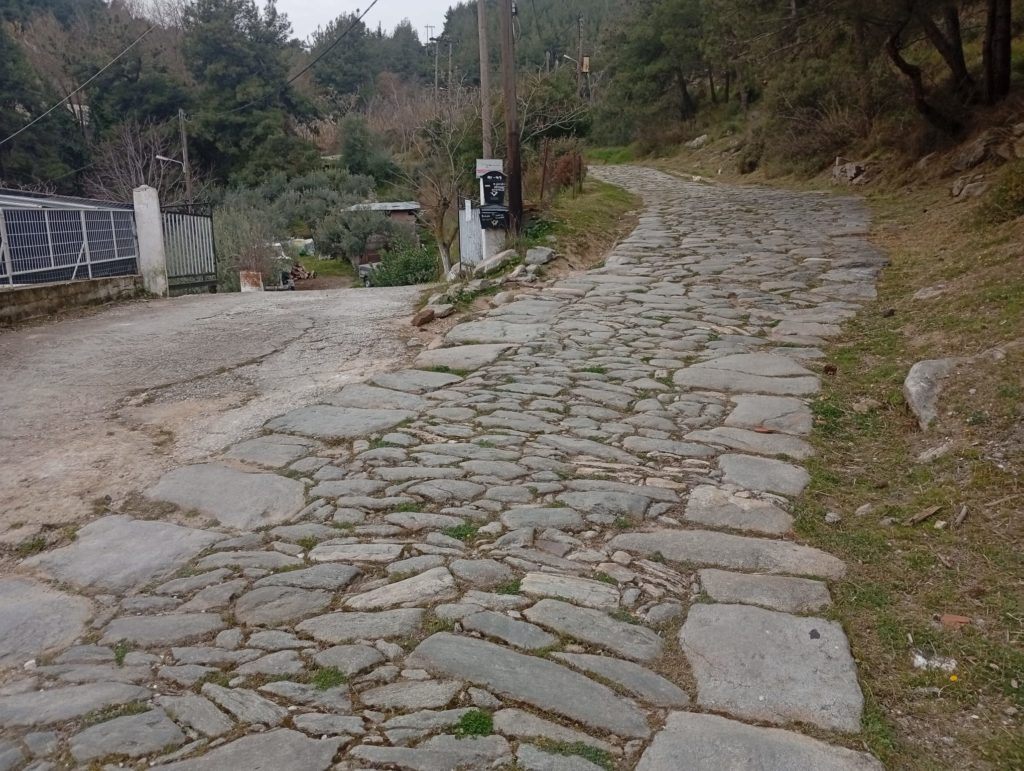
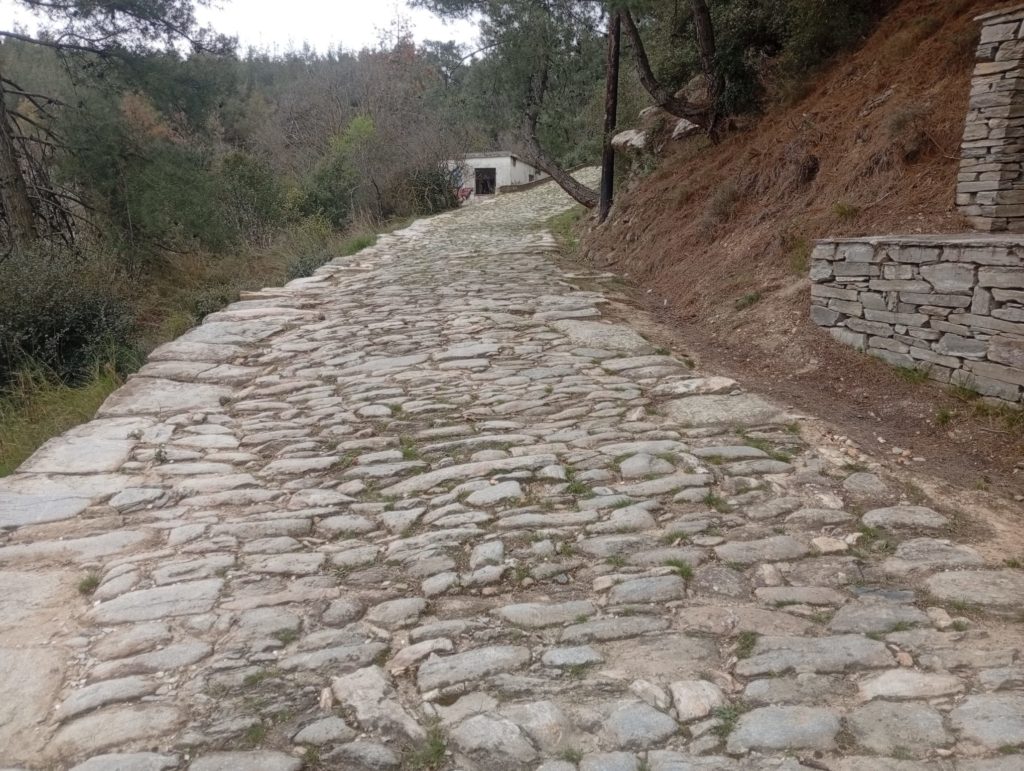
Despite its almost complete destruction the original path is still recognizable all the way from Philippi to Neopolis, with some stretches converted to modern roads. Consequently, it is possible to track down the mile counting of the all track. Measuring the distance between both end points shows that this stage was also of 10 miles, the most common value between stations in ancient routes. The resulting map is presented below:
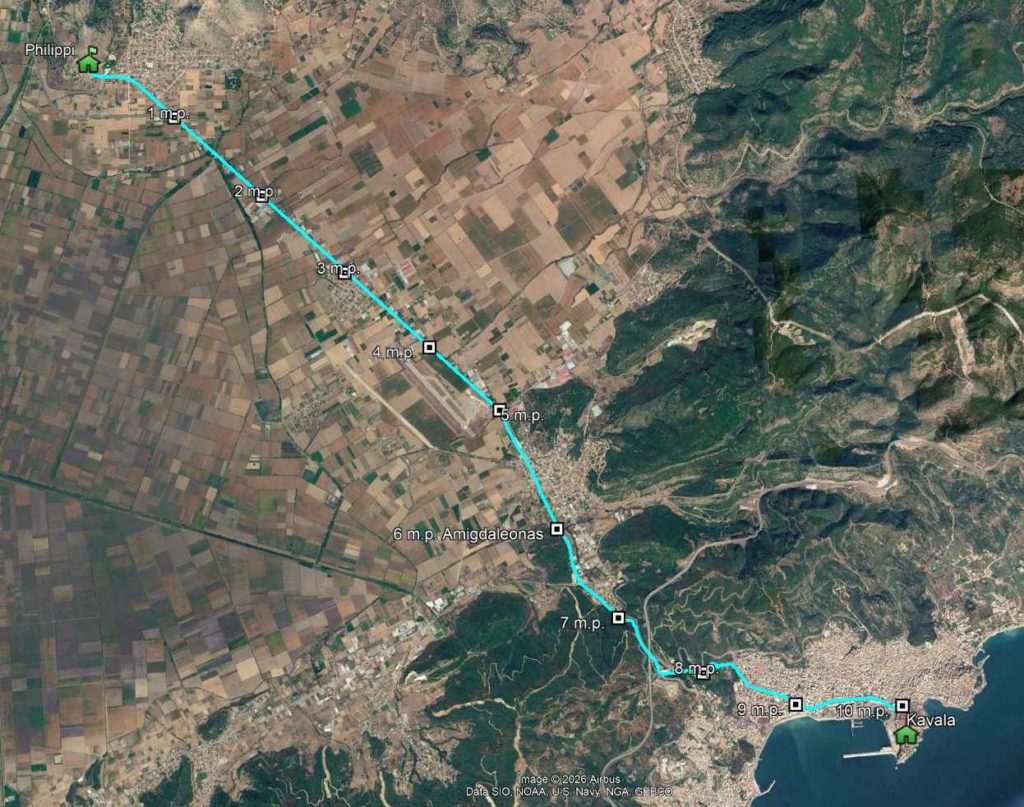
Several milestones were recovered along the road, namely at Amigdaleonas, a station located 6 miles south of Philippi and 4 miles north of Kavala. It makes sense to a have a resting point here, mid-way between Philippi e Kavala. Some of these milestones can now be seen in the Archaeological Museum of Kavala.
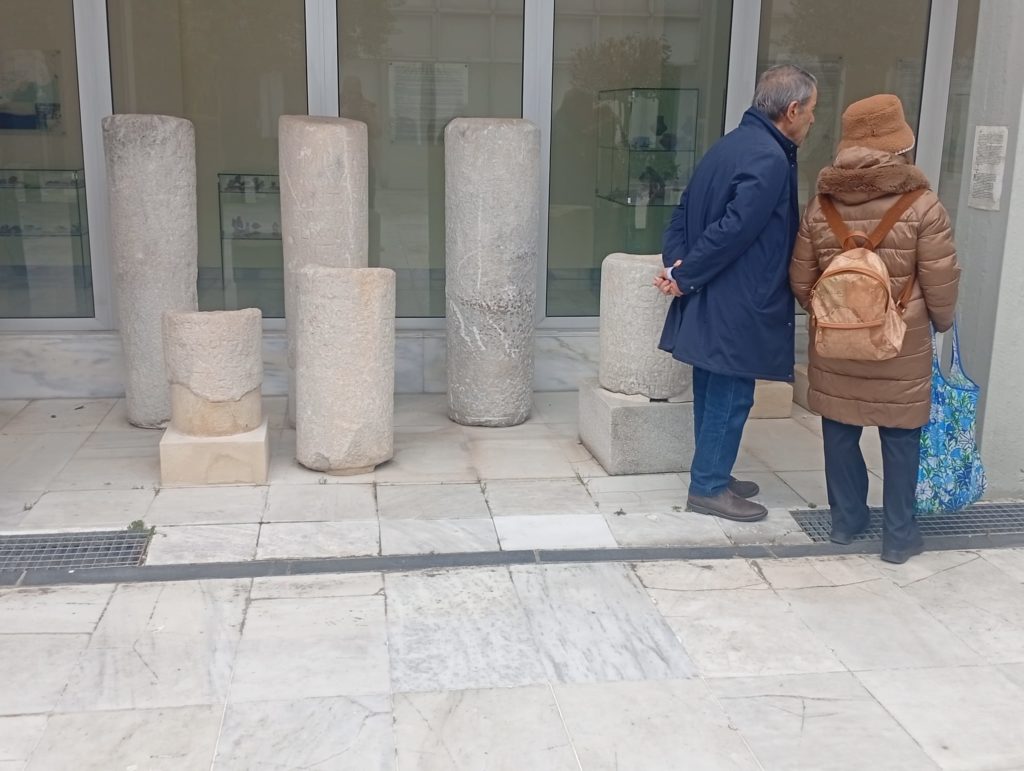
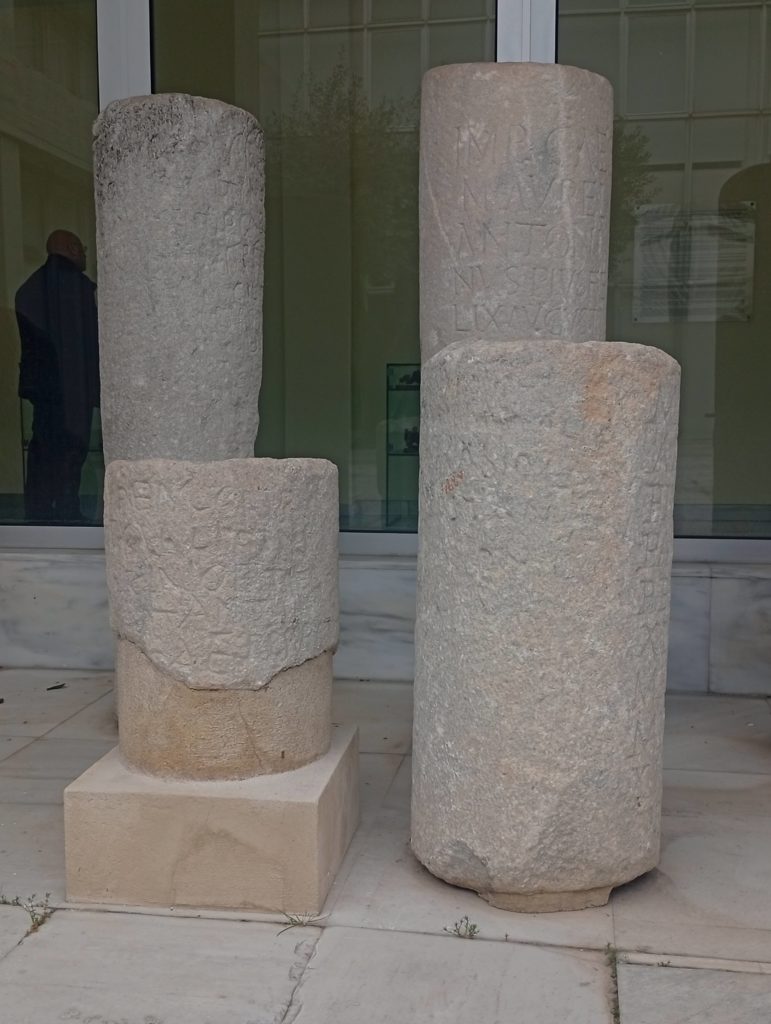
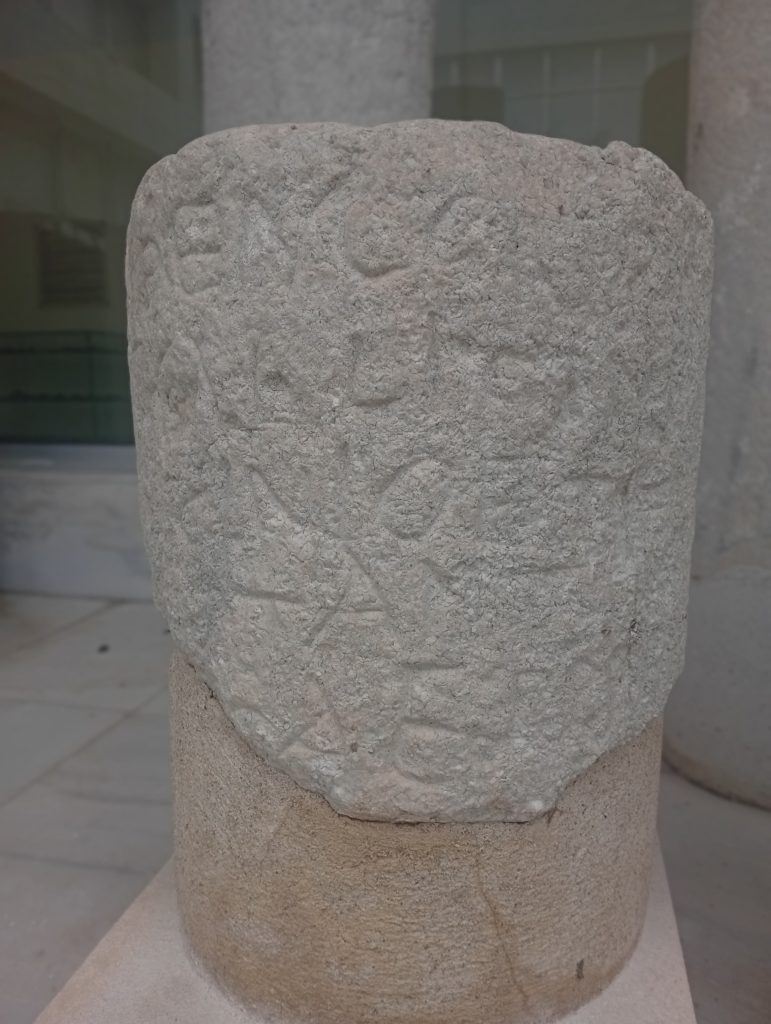
Septimius Severus (193 to 211)
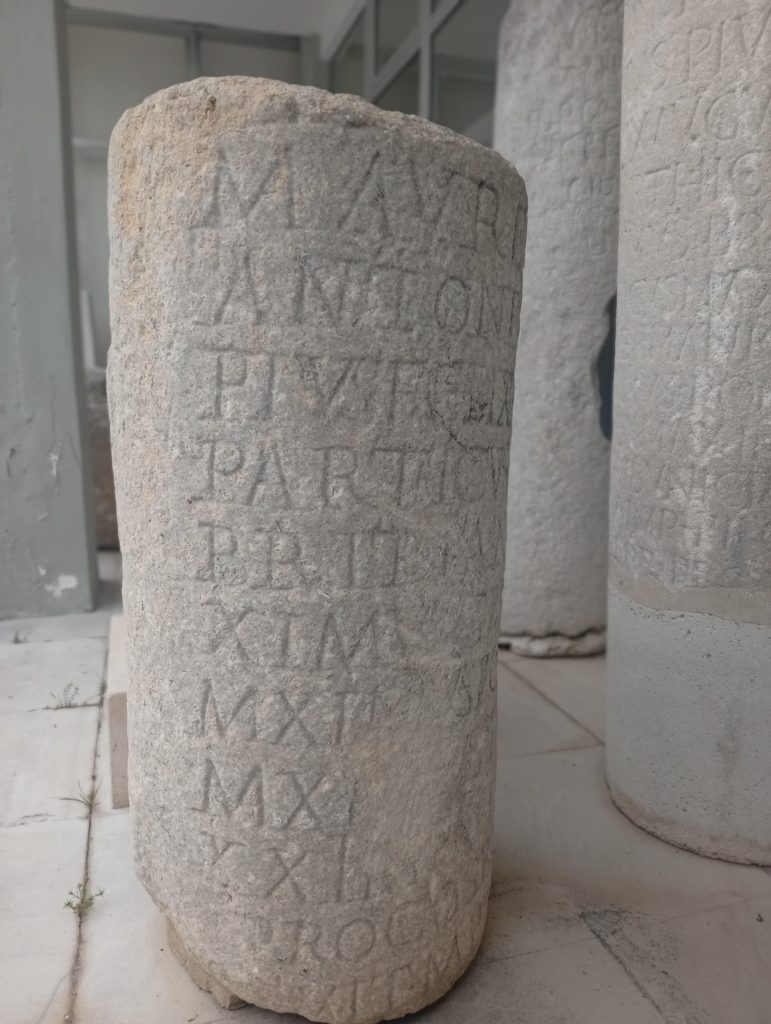
Marcus Aurellius I 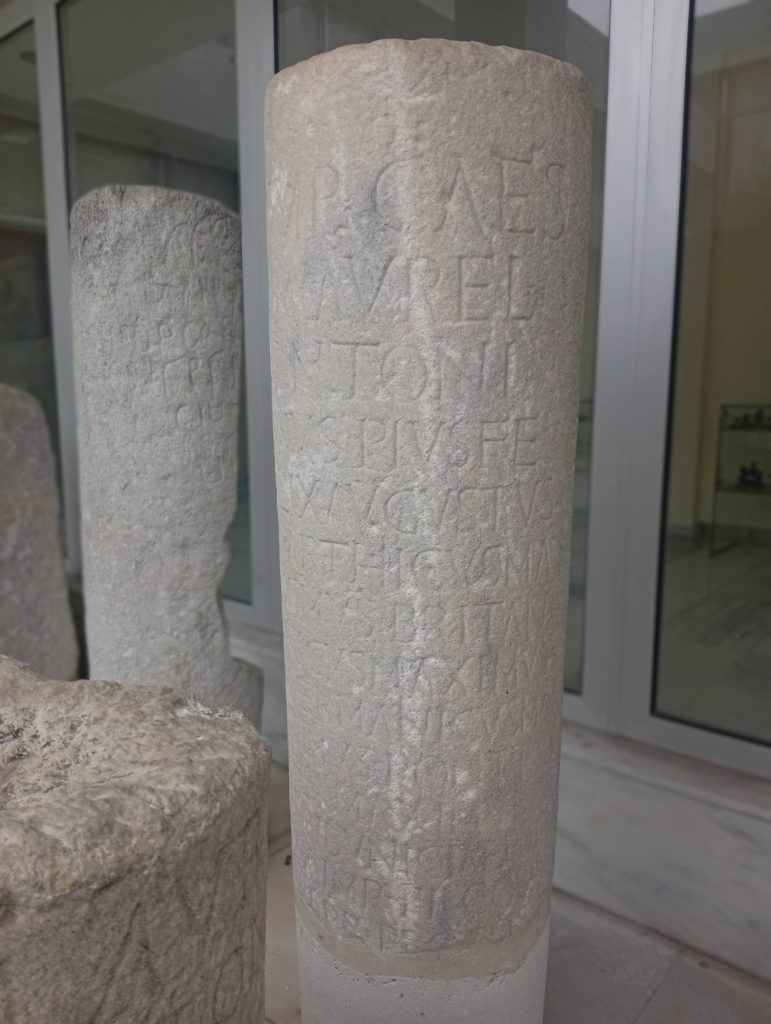
Marcus Aurellius II
(161 to 180)
The Via Egnatia is another example of the extreme antiquity of these routes as well of their resilience over time, thus challenging the current perception of these roads as being an ex-novo construction built during the Roman period. Sure, their reformation efforts made a significative impact with improvements in the pavement and respective support systems, but the route was for long being used as the major trade route to Constantinople, the gateway to the orient.
(Visit to Kavala in March 2026)